
Introduction
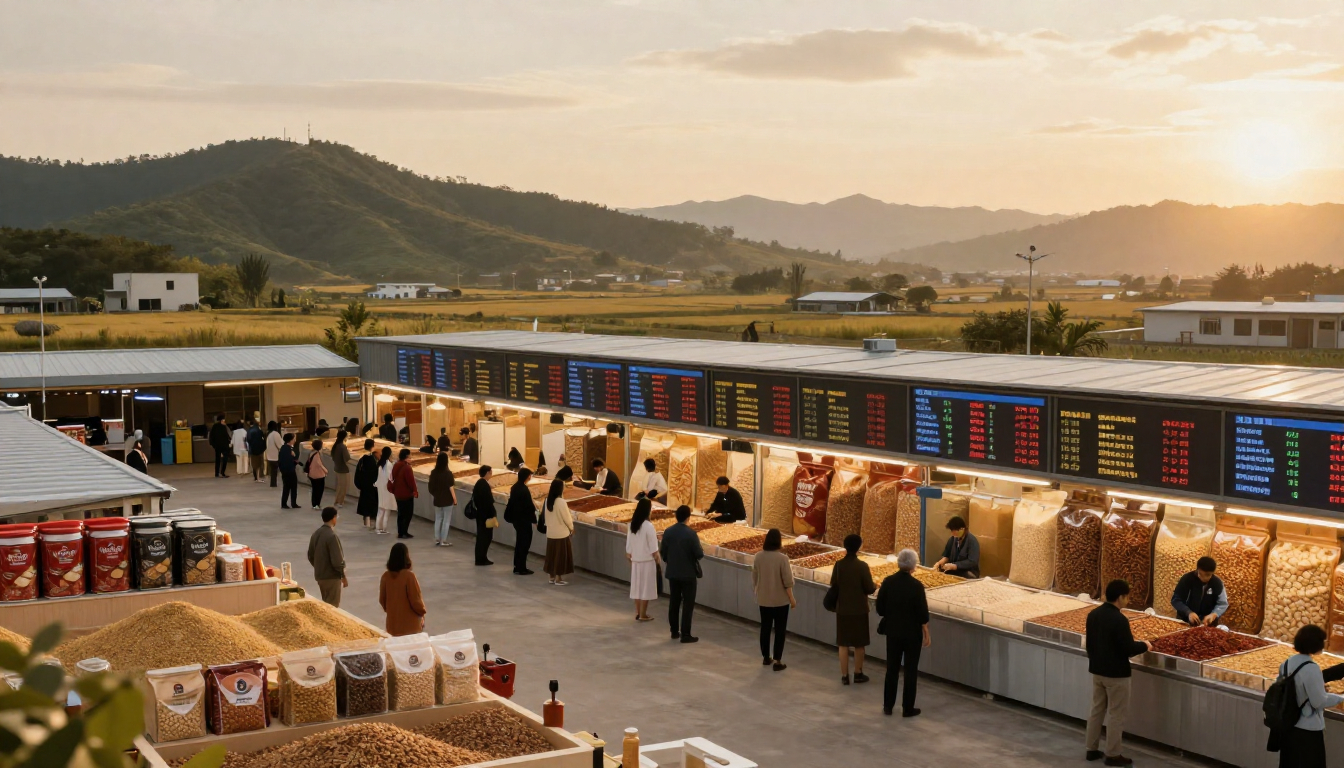
The global cereal market is experiencing dynamic growth, driven by changing consumer lifestyles, increased awareness of health and nutrition, and innovation in product offerings. Cereals, ranging from traditional grains to modern ready-to-eat options, have become an integral part of breakfast routines and snacking habits across the world. With the growing focus on convenience and health-conscious consumption, this sector presents significant opportunities for both established companies and emerging brands.
In this article, we will explore the trends, challenges, and future outlook of the global cereal market, providing insights that are valuable for industry players, investors, and consumers alike.
Overview of the Cereal Industry
The cereal industry encompasses a wide range of products, including breakfast cereals, grains, oats, cornflakes, and other ready-to-eat options. Historically, cereals have been a staple food in many countries due to their nutritional value and ease of preparation.
The market has evolved significantly over the years. Traditional cereals, such as oats and wheat-based products, coexist with innovative products that include fortified cereals, gluten-free options, and high-protein varieties. This diversification reflects the growing demand for personalized nutrition and wellness-oriented food products.
Market Size and Growth
The global cereal market has witnessed consistent growth, with several factors contributing to its expansion. According to recent market research, the industry is expected to continue its upward trajectory over the next decade. Factors such as urbanization, rising disposable income, and evolving dietary patterns are central to this growth.
For instance, ready-to-eat cereals have seen increased adoption in urban regions due to busy lifestyles and the need for quick, nutritious meals. Additionally, the rising popularity of functional cereals—fortified with vitamins, minerals, and protein—has opened new revenue streams for manufacturers.
Key Drivers of the Global Cereal Market
1. Health and Wellness Trends
Modern consumers are increasingly health-conscious, seeking foods that offer nutritional benefits without compromising on taste. This trend has encouraged manufacturers to introduce cereals enriched with fiber, vitamins, and minerals. Products like organic cereals, gluten-free oats, and low-sugar cornflakes have become mainstream choices, driving overall market growth.
2. Convenience and Ready-to-Eat Options
The demand for convenient food solutions is another major driver. Ready-to-eat cereals cater to time-pressed individuals, particularly in urban centers. With minimal preparation required, these products offer both ease and nutrition, making them an appealing choice for breakfast and snacks.
3. Innovation and Product Diversification
Innovation remains critical in maintaining consumer interest. Manufacturers are experimenting with new flavors, textures, and ingredient combinations to appeal to a broad demographic. Cereal bars, fortified cereals, and specialty grain blends are examples of how product diversification supports market expansion.
4. Rising Disposable Income
Higher disposable income in developing countries has enabled consumers to spend more on packaged and premium cereals. This trend has increased market penetration in regions previously dominated by traditional grains.
Regional Analysis
The global cereal market varies significantly across regions, influenced by dietary preferences, economic factors, and cultural habits.
North America
North America remains a leading market for ready-to-eat cereals due to well-established distribution networks and high consumer awareness. Companies focus on offering nutritious and convenient options, and innovation in flavors and formulations continues to attract consumers.
Europe
European consumers prioritize healthy eating, sustainability, and organic products. The demand for high-fiber, low-sugar, and gluten-free cereals is high, prompting manufacturers to adapt their product portfolios accordingly.
Asia-Pacific
Asia-Pacific is witnessing rapid market growth due to urbanization, changing lifestyles, and increased consumption of packaged foods. Ready-to-eat cereals are gaining traction among working professionals and younger populations.
Latin America and Middle East & Africa
These regions are emerging markets, driven by increased awareness of nutrition and accessibility to packaged cereals. While traditional cereals remain dominant, urban areas show growing acceptance of ready-to-eat and fortified options.
Challenges in the Global Cereal Market
Despite the positive outlook, the cereal industry faces challenges that can impact growth:
-
Price Sensitivity – In price-sensitive markets, consumers often prefer traditional grains over packaged cereals.
-
Health Concerns – The perception of high sugar content in some breakfast cereals can deter health-conscious buyers.
-
Supply Chain Disruptions – Global fluctuations in grain prices, logistics issues, and climate change can affect raw material availability.
-
Competition – The market is highly competitive, with numerous local and international players striving to gain consumer attention.
Consumer Preferences and Behavior
Modern consumers exhibit diverse preferences that shape the cereal market:
-
Taste and Flavor – While nutrition is important, taste remains a crucial factor. Manufacturers balance flavor with health benefits to appeal to a wider audience.
-
Convenience – Busy lifestyles have elevated the demand for quick, ready-to-eat options.
-
Sustainability – Eco-friendly packaging and ethically sourced ingredients are gaining importance, especially among younger consumers.
-
Personalization – Customized cereal blends catering to specific dietary needs (e.g., low-carb, high-protein) are increasingly popular.
Competitive Landscape
The global cereal industry is dominated by a few multinational corporations, complemented by smaller regional players:
-
Multinational Players – Large companies leverage brand recognition, R&D capabilities, and extensive distribution networks.
-
Local Brands – Regional brands cater to specific tastes, often emphasizing organic or traditional cereals.
-
Private Labels – Retail chains introduce private-label cereals, providing cost-effective alternatives to branded products.
Companies compete through product innovation, marketing strategies, and partnerships with retailers to maintain visibility and market share.
Future Trends
The global cereal market is poised for several trends that will shape its future:
-
Plant-Based and Functional Cereals – Plant-based ingredients and functional benefits like probiotics are likely to gain prominence.
-
Digital Marketing and E-Commerce – Online sales and targeted marketing strategies will enhance brand reach.
-
Sustainable Packaging – Eco-friendly materials and reduced plastic usage will become a key differentiator.
-
Premiumization – High-quality, organic, and gourmet cereals will attract consumers willing to pay a premium.
-
Global Expansion – Companies will focus on emerging markets to tap into new consumer bases.
Cereal Market Forecast
Market analysts predict continued growth in the global cereal sector, driven by urbanization, health trends, and innovation. By 2030, the market is expected to expand significantly, with ready-to-eat and functional cereals leading the surge. Companies that adapt to consumer preferences, invest in product diversification, and embrace sustainable practices will likely dominate the industry.
Conclusion
The global cereal market represents a dynamic and evolving sector within the broader food industry. Consumer demand is shifting towards healthier, more convenient, and sustainable options, challenging manufacturers to innovate continuously. Despite challenges like price sensitivity and competition, opportunities abound for companies that can align their products with modern dietary habits and lifestyle trends.
As the market continues to expand globally, players that combine quality, innovation, and sustainability are likely to reap long-term benefits. For investors, entrepreneurs, and industry stakeholders, understanding these trends is crucial to capitalizing on the growth potential in this essential segment of the food market.
