
Introduction:
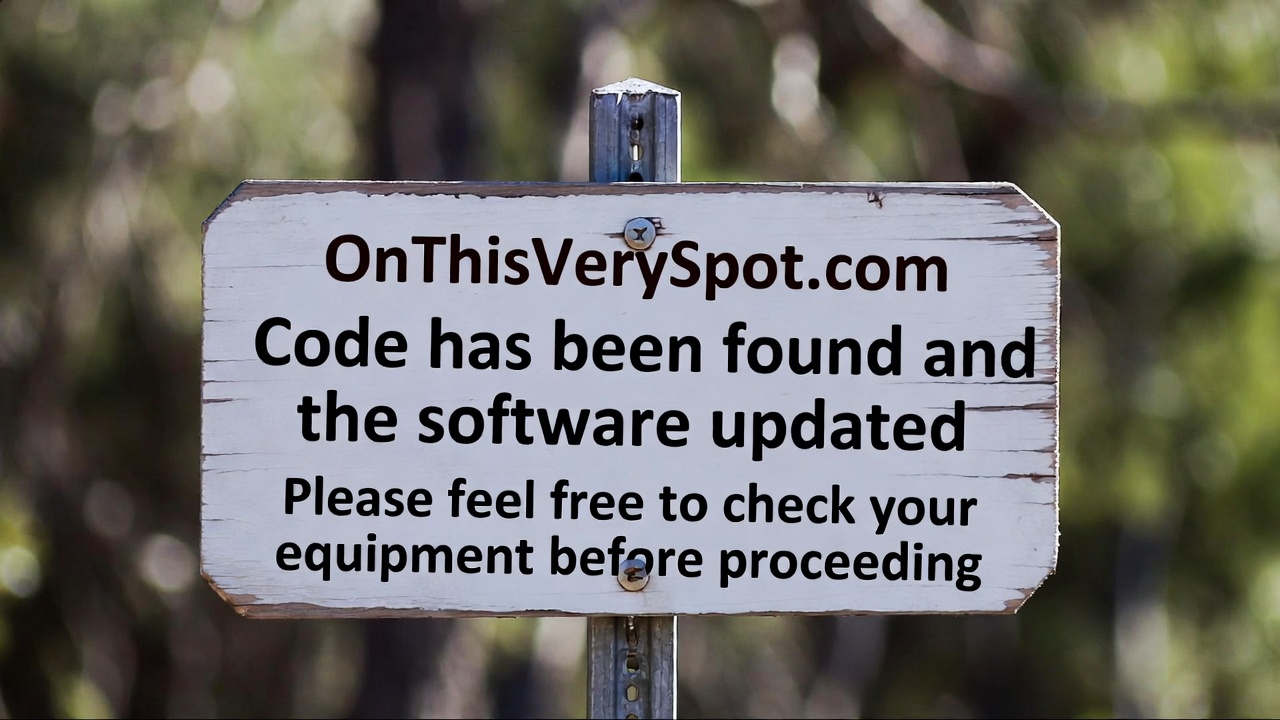
In an age where digital experiences increasingly bridge the physical world with interactive content, OnThisVerySpot.com stands out as an innovative platform that connects real‑world places with stories from the past. At the heart of this system lies a location‑based history identifier often called the OnThisVerySpot.com code — a powerful tool that lets users unlock historical narratives tied to specific geographic spots.
This article explores what this code is, how it works, the technologies behind it, practical uses for travelers and educators, technical implementation, community engagement features, and why it matters in today’s digital and global context.
What Is the OnThisVerySpot.com Code?
The OnThisVerySpot.com code isn’t an ordinary promotional code or discount key — it is a location‑based identifier that connects a physical place with curated historical content. When users enter or scan a code, the system retrieves detailed historical narratives, media, and context for that spot’s past.
Rather than just offering dates or facts, these codes function as digital keys to history: they make it possible to experience the past exactly where it happened, turning any modern map point into a living historical timeline.
While some explanations interpret this code as a unique URL slug attached to each historical entry, the principle remains the same — a string of characters or an encoded reference that directs users to a specific historical story in the OnThisVerySpot database.
How the System Works: Behind the Scenes
The OnThisVerySpot.com platform combines cutting‑edge geolocation technology with rich historical content to make the past discoverable and interactive. Here’s a breakdown of the components that make this possible:
Geolocation Mapping
At its core, the system links precise GPS coordinates with database entries containing historical stories, images, documents, and more. When someone uses the code associated with a location — either by entering it manually or scanning a QR code — the platform retrieves content tied to that exact latitude and longitude.
This geolocation‑based delivery system sets it apart from static historical guides by offering context‑aware narratives that change based on where the user is. The code essentially serves as a lookup key that fetches the appropriate historical material from the backend.
Interactive Maps and Dynamic Content
The platform integrates interactive mapping libraries and APIs to visualize historical locations. Users can zoom, pan, and click on markers to bring up rich narratives, images, and other multimedia related to events that happened at or around that spot.
This makes exploring history highly intuitive — you’re not just reading text; you’re tracing stories along a geographic interface. Modern implementations can use frameworks like Mapbox GL or Leaflet.js for map rendering, with databases handling spatial queries behind the scenes.
Multimedia Storytelling
The OnThisVerySpot.com system enriches its narratives with images, archival documents, timelines, and even audio or video, depending on availability. This multimedia integration transforms dry historical facts into engaging experiences that appeal to visual and auditory learners alike.
Readers can see old photographs of a location side‑by‑side with contemporary imagery, giving life to how places evolve over time. These comparisons are particularly powerful when learning about urban development, architectural history, or the aftermath of major historical events.
Technical Perspective: Code and Content Architecture
The technology behind OnThisVerySpot.com is more sophisticated than a simple database of stories. Its architecture supports advanced search, optimized performance, and community content contributions while providing a seamless experience across devices.
Geospatial Database and Spatial Indexing
To handle millions of location‑linked entries efficiently, the platform likely uses spatial database systems (such as PostGIS extensions for PostgreSQL or other spatially enabled databases). These systems are designed to store, query, and sort data based on geographic coordinates — which is essential for retrieving the correct historical spot efficiently.
Spatial indexing techniques (like R‑trees) significantly speed up location queries, so users won’t experience lag when discovering nearby historical events.
Front‑End Technologies
The front end of OnThisVerySpot.com typically relies on contemporary frameworks such as React or Vue.js, paired with CSS frameworks for responsive design. These technologies help ensure a smooth, interactive user interface across smartphones, tablets, and desktops.
Modern JavaScript libraries handle asynchronous data fetching, map rendering, and user interactions like code input and scanning. Advanced features like marker clustering, timeline sliders, and filter tools enhance usability beyond a static list of events.
Back‑End and API Integration
Behind the scenes, APIs play a key role in the dynamic delivery of location content. APIs enable content retrieval when a code is entered or scanned, manage user authentication (for contribution features), and handle interactions with external services (like geolocation permissions on mobile devices).
The backend might be built using scalable frameworks such as Node.js or Python’s Django/Flask to provide a flexible foundation for serving content, managing user submissions, and integrating multimedia assets.
Practical Uses of the OnThisVerySpot System
For Tourists and Travelers
Imagine walking through a city and wanting to learn not just where buildings are but why they matter. With OnThisVerySpot’s mapping tool and corresponding codes, travelers can unlock the past of their current location instantly — from ancient battles and political rallies to cultural events and forgotten landmarks.
This turns any trip into a personalized historical tour without bulky guidebooks or pre‑arranged tours.
For Educators and Students
Teachers looking to make history lessons more engaging can assign OnThisVerySpot codes corresponding to field trip locations. Students can visit a historical site and use their phones to uncover facts tied directly to that place — making learning contextual and memorable.
This approach fosters deeper understanding as students connect curriculum content with real‑world geography.
Community Contributors and Local Historians
One of the platform’s strengths is its support for community submissions. Users can enrich the database by uploading personal photos, stories, manuscripts, and verified historical documents tied to specific locations.
Local historians and amateur researchers contribute to an evolving archive that grows more detailed over time. Each contribution undergoes a review and verification process to ensure accuracy and credibility, enhancing the resource’s value.
For Researchers and Writers
The system provides a powerful research tool. Whether writing about civil rights history, architectural evolution, or everyday life in a bygone era, researchers can leverage location‑specific codes to compile narratives enriched with visuals, timelines, and spatial context.
This geographic tagging of historical data supports detailed storytelling that’s tied to places, not just dates.
Enhancing Travel and Cultural Awareness
By combining geography with narrative, OnThisVerySpot.com encourages users to think of history as interconnected with physical space. It’s one thing to read about events in a textbook; it’s another to be standing where those events occurred and instantly access curated information.
This approach fosters cultural awareness, stimulates curiosity, and encourages users to explore neighborhoods, cities, and regions with a heightened sense of historical context.
Challenges and Considerations
Despite its innovative potential, users should exercise a balanced perspective when exploring the platform.
Trust and Verification
According to some independent reviews, the site’s overall trust score is modest compared to major historical databases like History.com or large travel platforms. However, there’s no evidence that it’s fraudulent or unsafe, and the platform does not appear to solicit sensitive personal data.
Like all online resources, especially community‑driven ones, users should verify information when accuracy is critical (e.g., in academic research). Cross‑referencing with primary sources or established historical records is always recommended.
Technical Limitations
Geolocation experiences can vary depending on device accuracy, network connectivity, and map rendering performance — particularly in remote regions or indoor environments where GPS signals are weaker.
Additionally, certain historical entries may be more comprehensive than others based on contributor activity and the resources available for specific locations.
The Future of Location‑Based Historical Exploration
Looking ahead, the integration of augmented reality (AR), wearable devices, and enhanced multimedia storytelling could transform how users interact with historical codes. Imagine pointing a smart glasses device at a city street and seeing layered historical images overlaid on what you’re looking at now — all powered by a location code lookup in real time.
As digital mapping platforms, community‑sourced data, and education technology evolve, tools like OnThisVerySpot.com can serve as essential bridges between the physical world and the stories embedded within it.
Conclusion: A New Lens on History
The OnThisVerySpot.com code is more than a collection of characters — it’s a gateway to immersive, location‑based history. By pairing physical places with richly curated content, this platform transforms learning, travel, and research into interactive experiences.
Whether you’re a student exploring local heritage, a traveler seeking context for distant lands, or a writer crafting historically grounded narratives, the ability to access stories tied precisely to specific points on the map opens up a new dimension of learning and engagement.
With careful consideration for accuracy, community contribution, and evolving technology, the OnThisVerySpot system represents a meaningful step forward in how we connect with the past — one spot at a time.
