
A Comprehensive Guide:
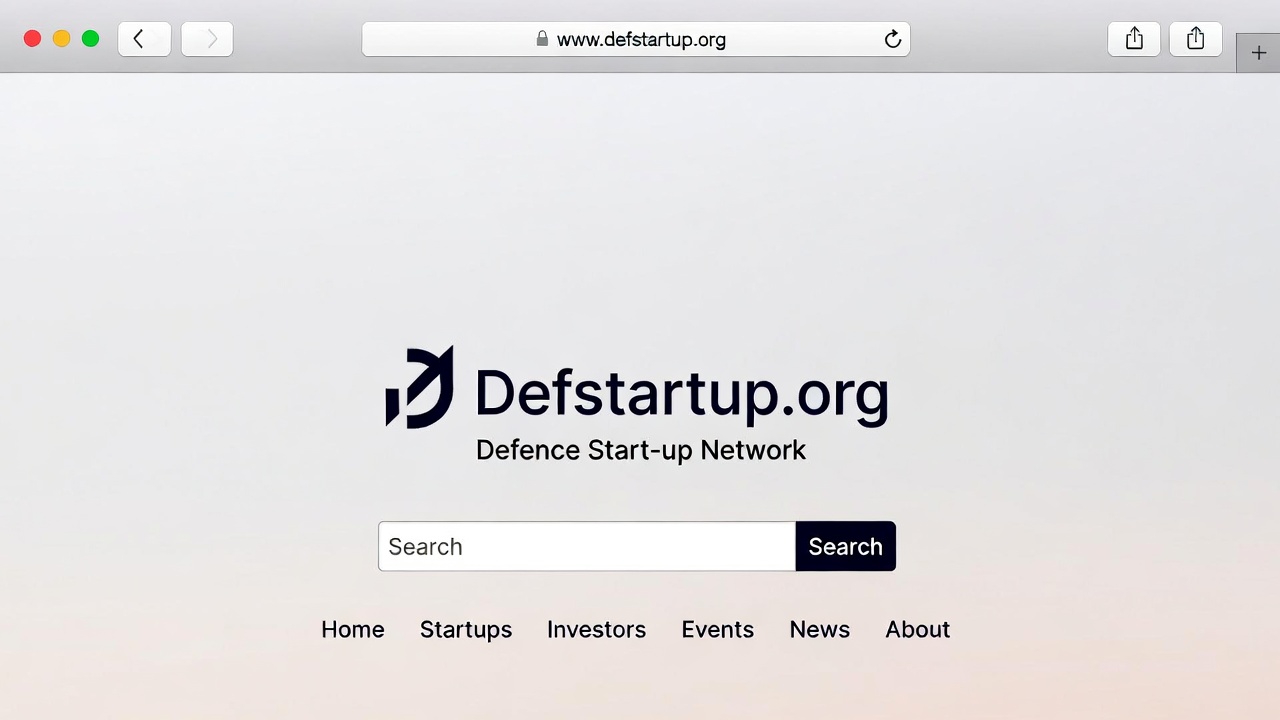
In today’s rapidly evolving digital economy, startups are constantly searching for platforms that can simplify their journey, provide credible guidance, and connect them with the right resources. One such emerging name that has started attracting attention in entrepreneurial circles is www.defstartuporg. While many platforms claim to support founders, only a few manage to combine education, community, and growth-focused tools under one roof.
This article takes a deep dive into what this platform represents, how it fits into the modern startup ecosystem, and why entrepreneurs are beginning to explore it as part of their business journey. Whether you’re an aspiring founder or someone researching startup platforms, this guide will help you understand its relevance and potential value.
Understanding the Concept Behind the Platform
Startup-focused platforms are no longer just informational websites. They have evolved into ecosystems that aim to nurture ideas from concept to execution. The vision behind platforms like this one appears to center around empowering early-stage businesses with accessible knowledge and structured guidance.
Rather than overwhelming users with technical jargon, such platforms typically focus on simplifying complex topics like funding, scaling, legal compliance, and digital growth. This approach is especially beneficial for first-time founders who are still learning the fundamentals of entrepreneurship.
Why Startup Support Platforms Matter Today
The startup landscape is more competitive than ever. Every year, thousands of new businesses launch, but only a small percentage survive beyond the initial stages. One major reason for failure is the lack of proper guidance and strategic planning.
Startup support platforms bridge this gap by offering:
-
Educational content tailored for founders
-
Insights into market trends and best practices
-
Access to mentorship or community discussions
-
Tools that help with planning and execution
This is where platforms like www.defstartuporg come into play, positioning themselves as knowledge-driven hubs rather than simple directories.
Core Features You Can Expect
While features may evolve over time, most startup-focused platforms aim to deliver value through a combination of content, tools, and community. Based on its positioning, users generally explore such platforms for the following purposes:
1. Educational Resources
From beginner guides to advanced startup strategies, educational content plays a central role. These resources help founders understand key topics such as business models, customer validation, and growth strategies without requiring a business background.
2. Startup Ecosystem Insights
Understanding the broader startup ecosystem is crucial. Platforms often provide insights into funding trends, market opportunities, and emerging technologies, helping entrepreneurs stay informed.
3. Practical Guidance
Theory alone is not enough. Practical frameworks, checklists, and step-by-step guides help founders apply what they learn in real-world scenarios.
4. Community-Driven Learning
Many modern platforms emphasize peer learning. Community discussions, shared experiences, and collaborative problem-solving add real value beyond static content.
How Entrepreneurs Benefit from Using Such Platforms
The real question most founders ask is: How does this help me? The benefits go beyond just reading articles.
Clarity for Early-Stage Ideas
New founders often struggle with direction. Structured resources help refine ideas and identify viable paths forward.
Time-Saving Research
Instead of searching across dozens of websites, entrepreneurs can find consolidated insights in one place.
Reduced Cost of Learning
High-quality startup education can be expensive. Online platforms make knowledge accessible without heavy financial investment.
Confidence Building
Understanding the startup process builds confidence, which is essential when pitching ideas or making strategic decisions.
Role in the Digital Startup Ecosystem
The digital startup ecosystem thrives on information sharing and collaboration. Platforms like this contribute by acting as intermediaries between knowledge providers and founders seeking guidance.
They often complement other elements of the ecosystem such as:
-
Incubators and accelerators
-
Online learning platforms
-
Funding networks
-
Entrepreneur communities
By existing at this intersection, such platforms can become valuable entry points for new entrepreneurs.
Accessibility and Ease of Use
One of the biggest advantages of online startup platforms is accessibility. Entrepreneurs from different regions, backgrounds, and experience levels can access the same information without geographical limitations.
Ease of navigation, clear categorization, and well-structured content significantly impact user experience. Platforms that prioritize simplicity tend to gain trust faster, especially among non-technical founders.
Comparing with Other Startup Platforms
When evaluating any startup resource website, comparison is inevitable. While some platforms focus heavily on funding databases, others prioritize learning and mentorship.
What sets platforms like www.defstartuporg apart is their apparent focus on balanced growth—combining educational value with ecosystem awareness. Instead of pushing a single solution, they aim to provide a broader perspective on entrepreneurship.
Use Cases for Different Types of Users
Not all users visit startup platforms with the same goals. Here’s how different audiences may benefit:
Aspiring Entrepreneurs
Individuals exploring business ideas can learn foundational concepts and understand what it takes to launch a startup.
Early-Stage Founders
Those who have already launched can refine strategies, avoid common mistakes, and explore growth options.
Students and Researchers
Academic users often study startup trends, business models, and innovation ecosystems.
Freelancers and Consultants
Professionals working with startups may use such platforms to stay updated on industry best practices.
Importance of Credible Startup Information
In an era of misinformation, credibility matters. Startup advice can directly impact financial decisions, team structures, and long-term strategy. Platforms that prioritize well-researched and experience-backed content gain long-term trust.
Entrepreneurs are increasingly selective about where they get their information, which is why transparency and clarity are key factors in platform success.
SEO and Online Visibility of Startup Platforms
From a digital marketing perspective, startup platforms also benefit from strong SEO practices. Ranking for relevant terms ensures visibility among entrepreneurs searching for guidance.
By focusing on quality content instead of keyword stuffing, platforms can maintain authority while delivering real value. This approach aligns with modern search engine algorithms that prioritize user intent and readability.
Future Potential and Growth Opportunities
As the startup ecosystem continues to expand globally, the demand for reliable support platforms will only increase. There is significant potential for platforms like this to evolve by adding features such as:
-
Interactive learning modules
-
Founder networking tools
-
Expert-led webinars
-
Resource marketplaces
Continuous improvement and adaptation will determine long-term relevance.
Things to Consider Before Relying on Any Platform
While startup platforms offer valuable insights, entrepreneurs should remember that no single resource is a complete solution. Real-world experience, mentorship, and market validation are equally important.
Using platforms as learning companions—rather than absolute authorities—leads to better outcomes.
Final Thoughts
The rise of platforms like www.defstartuporg highlights a growing need for accessible, structured, and reliable startup guidance. In a world where launching a business is easier than ever, navigating the complexities of growth remains a challenge.
For entrepreneurs seeking clarity, education, and ecosystem awareness, such platforms can serve as useful starting points. By focusing on value-driven content and community learning, they contribute positively to the broader startup landscape.
As always, the key to success lies in combining knowledge with action. Platforms can guide the way, but it’s the founder’s vision and execution that ultimately shape the journey.
