
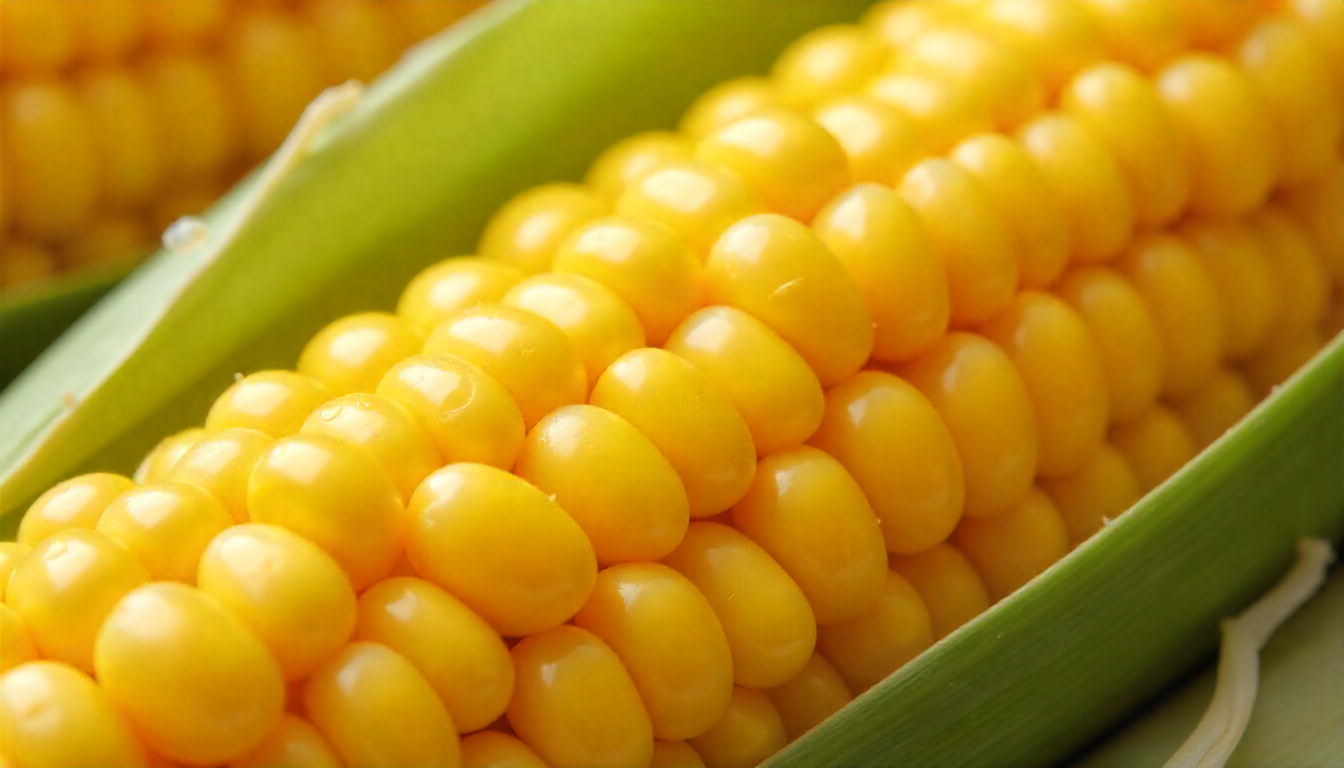
Introduction:
The world of agriculture is constantly evolving, and with innovations in farming techniques and organizational structures, farmers today have more tools than ever to increase productivity and profitability. One such innovation gaining momentum is FPO corn, a term that has become increasingly relevant in discussions about cooperative farming and sustainable agriculture. But what exactly is FPO corn, and why is it making waves among farmers, agronomists, and policymakers alike?
In this blog, we explore the concept of FPO corn, its benefits, challenges, and how it is shaping the future of corn cultivation. We will also discuss practical steps for farmers and stakeholders to get involved and maximize the potential of this model.
What is FPO Corn?
FPO corn refers to corn cultivated under the framework of a Farmer Producer Organization (FPO). FPOs are cooperatives or producer companies formed by farmers to collectively produce, process, and market agricultural produce. By pooling resources and knowledge, farmers can reduce costs, access better markets, and enhance their bargaining power.
In essence, FPO corn is not just a product; it represents a collaborative approach to corn farming. This model ensures that farmers are better equipped to handle fluctuations in market demand, climate challenges, and input costs.
The Rise of Farmer Producer Organizations (FPOs)
Farmer Producer Organizations have become a cornerstone of modern agriculture, especially in countries like India, where smallholder farmers dominate the landscape. FPOs provide several advantages:
-
Collective Bargaining Power: By selling their corn collectively, farmers can negotiate better prices, avoiding exploitation by middlemen.
-
Access to Quality Inputs: FPOs often facilitate bulk purchasing of seeds, fertilizers, and equipment, which reduces costs and ensures quality.
-
Technical Support and Training: Members receive training on best practices for corn cultivation, pest management, and sustainable farming methods.
-
Market Linkages: FPOs help farmers access formal markets, retail chains, and even export opportunities.
By focusing on FPO corn, these organizations ensure that small farmers are no longer isolated and vulnerable to market and climatic risks.
Benefits of FPO Corn
FPO corn brings multiple advantages to farmers, consumers, and the agricultural ecosystem:
1. Higher Income for Farmers
When farmers sell corn through FPOs, they often receive higher returns compared to traditional sales channels. Collective sales reduce dependency on local traders, and pricing is often more transparent.
2. Reduced Cost of Production
Pooling resources allows farmers to buy seeds, fertilizers, and machinery in bulk, lowering the per-unit cost. FPOs may also facilitate shared use of machinery, reducing the need for individual investments.
3. Access to Modern Technology
FPOs often collaborate with agricultural universities, research institutions, and private companies to introduce better crop varieties, precision farming techniques, and climate-resilient solutions. This ensures FPO corn is not only high-yield but also sustainable.
4. Improved Quality Standards
By adopting collective quality control measures, FPOs ensure that the corn produced meets market standards, boosting its competitiveness.
5. Sustainability and Climate Resilience
Many FPOs promote environmentally friendly farming practices such as organic fertilizers, crop rotation, and soil health management. This makes FPO corn more sustainable and resilient to climate change.
Challenges in Promoting FPO Corn
While FPOs offer significant advantages, they are not without challenges:
1. Organizational and Management Issues
Small farmers may lack the experience to manage cooperatives efficiently. Strong governance and transparent financial management are essential for the success of any FPO.
2. Access to Credit
FPOs often require capital to purchase inputs, equipment, or set up storage facilities. Securing loans or grants can be challenging, especially for new organizations.
3. Market Volatility
Even with collective bargaining, market prices for corn can fluctuate due to domestic and international demand, weather conditions, and global commodity trends.
4. Awareness and Training
Farmers need continuous training to adopt best practices in corn cultivation. Without technical support, the benefits of FPOs may not fully materialize.
Despite these challenges, success stories from various regions prove that FPO corn can thrive when supported with adequate policy frameworks, technical guidance, and market linkages.
How FPO Corn Supports Small Farmers
Small and marginal farmers often face systemic disadvantages in agriculture, such as high input costs, low productivity, and lack of access to markets. FPOs bridge these gaps by providing:
-
Collective marketing, reducing dependency on intermediaries
-
Bulk procurement of quality seeds and fertilizers
-
Shared infrastructure like cold storage, warehouses, and silos
-
Access to government schemes and subsidies designed for FPOs
For these reasons, FPO corn has emerged as a model crop for demonstrating the benefits of organized farming.
Best Practices for Growing FPO Corn
To maximize the potential of FPO corn, farmers should focus on a few key practices:
1. Selecting the Right Variety
Choosing high-yield, disease-resistant corn varieties suitable for local climatic conditions is critical. FPOs often negotiate with seed companies to procure certified seeds for their members.
2. Soil Health Management
Regular soil testing, use of organic compost, and proper fertilization practices enhance productivity and crop quality.
3. Integrated Pest Management (IPM)
Using eco-friendly pest control methods reduces reliance on chemical pesticides and ensures safer, sustainable corn production.
4. Proper Irrigation Techniques
Efficient water management through drip irrigation or rainwater harvesting improves yields while conserving resources.
5. Harvesting and Post-Harvest Practices
Timely harvesting and proper storage prevent losses and maintain the quality of FPO corn for markets.
FPO Corn and Market Opportunities
The market for corn is diverse, ranging from human consumption to animal feed and industrial uses such as biofuels. By producing corn under an FPO structure, farmers can tap into multiple revenue streams:
-
Food industry: Processed corn products, corn flour, and snacks
-
Animal feed: Poultry and livestock feed markets
-
Industrial use: Bioethanol, starch production, and bioplastics
FPOs can also explore value addition by setting up processing units for corn flour, snacks, or animal feed. This enhances revenue and strengthens the organization’s sustainability.
Government Support for FPO Corn
Many governments recognize the potential of FPOs in enhancing farmer welfare and ensuring food security. Various schemes provide support in:
-
Financial assistance: Subsidies, low-interest loans, and grants
-
Capacity building: Training programs on modern farming techniques
-
Infrastructure development: Warehouses, cold storage, and transportation
-
Market support: Platforms for selling produce, both domestically and internationally
Leveraging these schemes can significantly boost the production and profitability of FPO corn.
Success Stories of FPO Corn
Several regions have successfully implemented FPO models for corn cultivation:
-
India: Many FPOs in states like Maharashtra and Karnataka have increased corn yields and farmer incomes by up to 30–40% through collective farming and better market access.
-
Africa: Farmer cooperatives in Kenya and Uganda have adopted FPO models for maize (corn), improving food security and export potential.
-
Latin America: Collaborative corn farming initiatives in Mexico have helped small farmers compete with large commercial farms.
These success stories demonstrate the transformative potential of FPO corn when combined with strategic planning, technical support, and market linkages.
Steps to Form an FPO for Corn
Farmers interested in growing corn collectively can follow these steps:
-
Gather a Group of Farmers: Typically 10–50 members come together to form an FPO.
-
Register the Organization: Legal registration as a cooperative or producer company ensures credibility.
-
Define Objectives: Decide on the crops to grow, production methods, and marketing strategies.
-
Seek Financial Support: Apply for government grants, subsidies, or bank loans.
-
Develop Infrastructure: Warehouses, storage facilities, and irrigation systems are essential.
-
Market the Produce: Leverage collective bargaining, online marketplaces, and partnerships with companies.
Following these steps ensures a well-structured, profitable FPO corn initiative.
Future of FPO Corn
With the global demand for corn steadily rising and challenges like climate change affecting yields, FPO corn represents a sustainable and profitable approach for small farmers. Innovations such as precision farming, smart irrigation, and digital marketplaces will further strengthen FPOs, allowing farmers to thrive in competitive markets.
The integration of technology, cooperative governance, and government support can ensure that FPO corn remains a resilient and profitable venture. As more farmers join these organizations, the model is likely to expand globally, creating stronger agricultural ecosystems and empowering millions of small farmers.
Conclusion
FPO corn is more than just a crop; it is a paradigm shift in the way small farmers approach agriculture. By pooling resources, accessing modern technology, and collectively marketing their produce, farmers can overcome challenges that have historically limited their growth.
The benefits are clear: higher income, reduced costs, improved quality, and sustainability. However, realizing the full potential of FPO corn requires proper training, financial planning, and market linkages. Governments, NGOs, and private players have a critical role to play in supporting this transformative model.
Ultimately, FPO corn is a step toward inclusive, modern, and sustainable agriculture, giving farmers not just a better harvest but a better future.
